
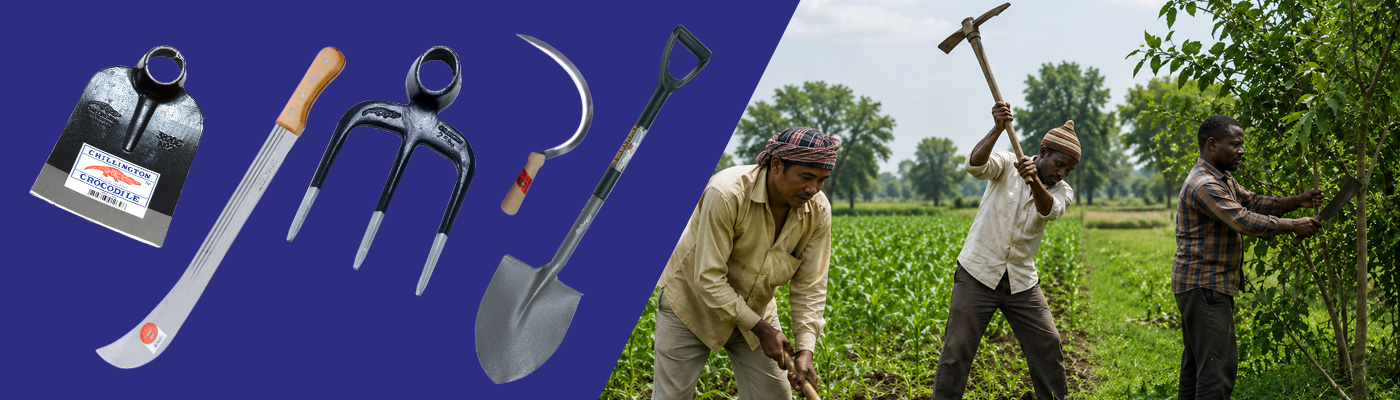
Every successful farming operation begins with the right tools. Whether you’re preparing the soil, planting crops, harvesting produce, or maintaining your land, using the correct agricultural hand tool can significantly improve efficiency, reduce physical effort, and increase productivity. While machinery has transformed modern agriculture, hand tools remain indispensable for precision work, small farms, plantations, landscaping projects, and home gardens.
Choosing the right tool isn’t simply about purchasing what’s available. Each tool is designed for a specific purpose, and selecting the wrong one can lead to unnecessary effort, poor results, and even premature wear. Understanding how different tools work, their applications, and the advantages of investing in high-quality forged equipment can help farmers and gardeners make informed decisions.
In this guide, we’ll explore the most commonly used agricultural hand tools, explain where each one performs best, discuss the benefits of forged tools, and share practical maintenance tips to keep them performing for years.

Why Choosing the Right Agricultural Hand Tool Matters
Agricultural work involves a variety of tasks that require different levels of force, precision, and durability. No single tool can perform every job effectively.
Using the right tool offers several advantages:
- Improves work efficiency
- Reduces physical fatigue
- Produces cleaner and more accurate results
- Minimizes damage to crops and soil
- Extends the lifespan of both the tool and the user
Whether you’re managing a commercial farm or maintaining a home garden, selecting the correct hand tool makes daily work easier and more productive.
Understanding Different Agricultural Hand Tools
Hoes
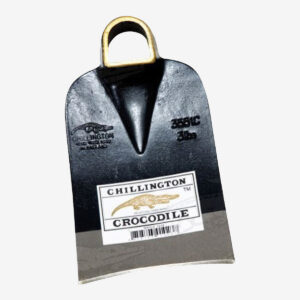
A hoe is one of the most versatile farming tools and is primarily used for cultivating soil, removing weeds, creating planting rows, and shaping garden beds.
Best suited for:
- Soil cultivation
- Weed removal
- Seedbed preparation
- Crop maintenance
- Vegetable farming
Farmers often choose different hoe patterns depending on soil type and crop spacing.
Forks
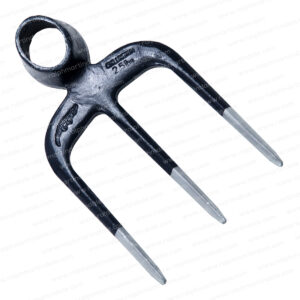
Agricultural forks are designed to lift, loosen, and move materials rather than cut through soil.
Common applications include:
- Turning compost
- Handling hay
- Moving manure
- Aerating soil
- Harvesting root crops
Their strong tines make them ideal for lifting without damaging materials.
Shovels
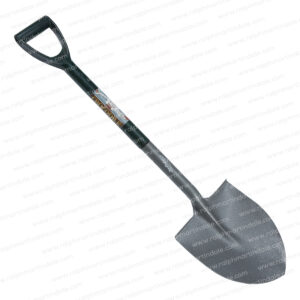
A shovel is designed for digging and moving loose materials.
Typical uses include:
- Digging holes
- Moving soil, sand, or gravel
- Landscaping projects
- Mixing compost
- Planting trees
Choosing the correct shovel depends on the type of material and the depth of digging required.
Sickles
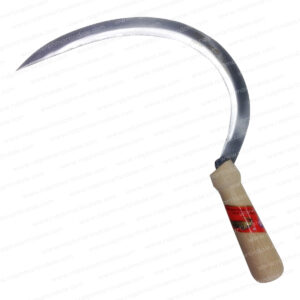
A sickle features a curved blade designed for harvesting and cutting vegetation.
It is commonly used for:
- Harvesting cereals
- Cutting grass
- Trimming crops
- Clearing light vegetation
- Oil palm harvesting (using specialized sickles)
Its curved design allows efficient slicing with minimal effort.
Matchets
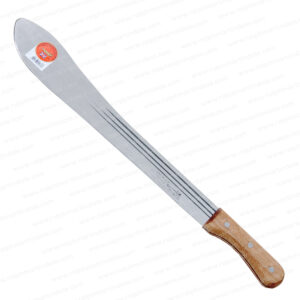
A matchet is built for heavier cutting tasks and is widely used across agriculture, forestry, and plantations.
Ideal applications include:
- Bush clearing
- Plantation maintenance
- Sugarcane harvesting
- Pineapple farming
- Trail clearing
- General land preparation
Different blade patterns are available depending on regional farming practices and crop types.
Quick Comparison of Common Agricultural Hand Tools
| Tool | Primary Purpose | Best Used For |
| Hoe | Cultivating soil | Weeding, seedbed preparation, row cultivation |
| Fork | Lifting and turning | Compost, manure, hay, root crops |
| Shovel | Digging and moving | Soil, gravel, planting, landscaping |
| Sickle | Harvesting | Crops, grass, oil palm, trimming |
| Matchet | Heavy cutting | Bush clearing, plantations, dense vegetation |
Each tool has a specific purpose, and choosing the right one improves both efficiency and safety.
Why Forged Agricultural Hand Tools Perform Better
Professional users understand that tool quality directly affects productivity.
High-quality forged agricultural hand tools offer several advantages over lower-quality alternatives.
Superior Strength
Forging creates a stronger grain structure within the steel, making tools more resistant to bending and breakage.
Longer Service Life
Forged tools maintain their structural integrity even after years of demanding work.
Better Edge Retention
Forged blades typically hold their cutting edge longer, reducing sharpening frequency.
Improved Balance
Well-manufactured tools distribute weight evenly, reducing operator fatigue during long working hours.
Greater Reliability
Professional-grade forged tools deliver consistent performance under challenging field conditions.
For commercial farms and agricultural contractors, investing in quality tools often results in lower long-term replacement costs.
How to Choose the Right Agricultural Hand Tool
Before purchasing, consider the following:
Understand the Task
Different jobs require different tools. Don’t rely on one tool for every application.
Evaluate Soil and Crop Type
Heavy clay soil, sandy ground, plantations, and vegetable gardens all require different tool designs.
Consider Handle Length
Long handles improve leverage, while shorter handles offer greater control.
Choose Durable Materials
Look for forged steel heads and quality hardwood or composite handles for longer service life.
Buy from Trusted Manufacturers
Choosing established manufacturers such as Ralph Martindale ensures consistent quality, reliable manufacturing standards, and proven field performance.
Maintenance Tips to Extend Tool Life
Proper maintenance keeps agricultural tools working efficiently and reduces replacement costs.

Clean After Every Use
Remove soil, sap, and moisture after each use to prevent corrosion.

Sharpen Cutting Tools Regularly
Maintain blades with the appropriate sharpening file or stone to preserve cutting efficiency.

Store in a Dry Environment
Proper storage helps prevent rust and protects wooden handles.

Inspect Before Use
Check handles, fasteners, and blades for wear or damage before beginning work.

Apply Protective Oil
A light coat of oil on metal surfaces helps reduce oxidation during storage.
Routine maintenance not only extends tool life but also improves safety and performance.
Why Professionals Choose Ralph Martindale
For generations, Ralph Martindale has manufactured professional agricultural hand tools trusted by farmers, contractors, plantation operators, and distributors worldwide.
From forged hoes and durable forks to heavy-duty matchets, shovels, and specialized harvesting tools, every product is designed with performance, reliability, and long-term durability in mind.
Whether you’re working on a commercial plantation or maintaining a family farm, using professional-grade hand tools helps maximize productivity while reducing downtime.
Final Thoughts
Choosing the right agricultural hand tools is one of the simplest ways to improve efficiency in the field. Matching the correct tool to the task allows you to work faster, reduce physical effort, and achieve better results with every job.
While hoes, forks, shovels, sickles, and matchets each serve different purposes, they all share one requirement: quality. Investing in forged, professional-grade tools and maintaining them properly ensures dependable performance season after season.
Whether you’re a farmer, landscaper, gardener, or agricultural supplier, selecting reliable tools from trusted manufacturers like Ralph Martindale is an investment in productivity, safety, and long-term value.