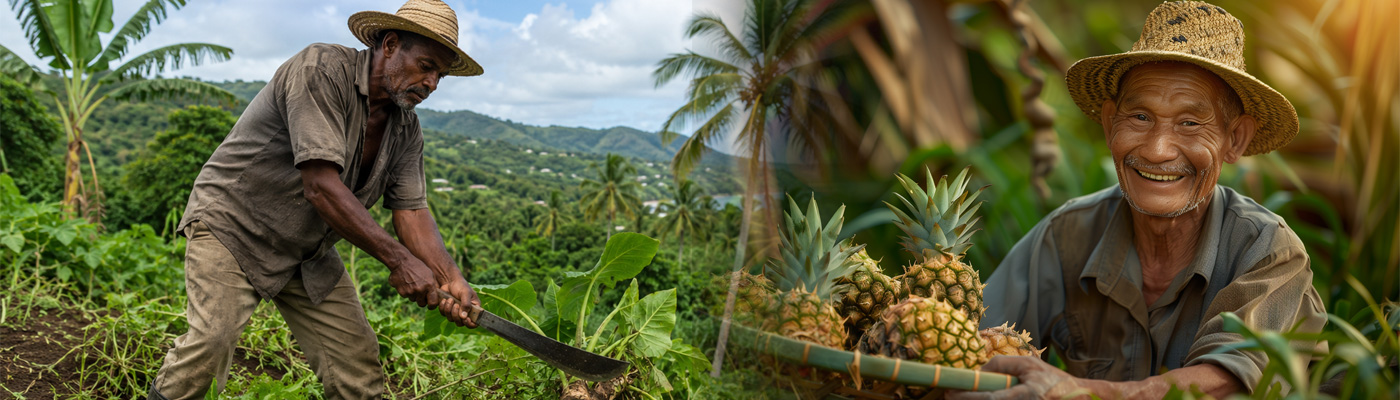
In the Caribbean, the cutlass isn’t just a tool it’s a daily essential. From small farms to large plantations, it plays a central role in agriculture, land clearing, and rural life. Whether it’s clearing dense bush, cutting sugarcane, or maintaining farmland, the cutlass is relied upon every day.
Its popularity comes down to one thing. It works. The design is simple, effective, and built for repeated use in demanding environments. In regions where tools are used daily, reliability matters more than anything else. That’s why the cutlass remains a staple across the Caribbean.
What Is a Cutlass?
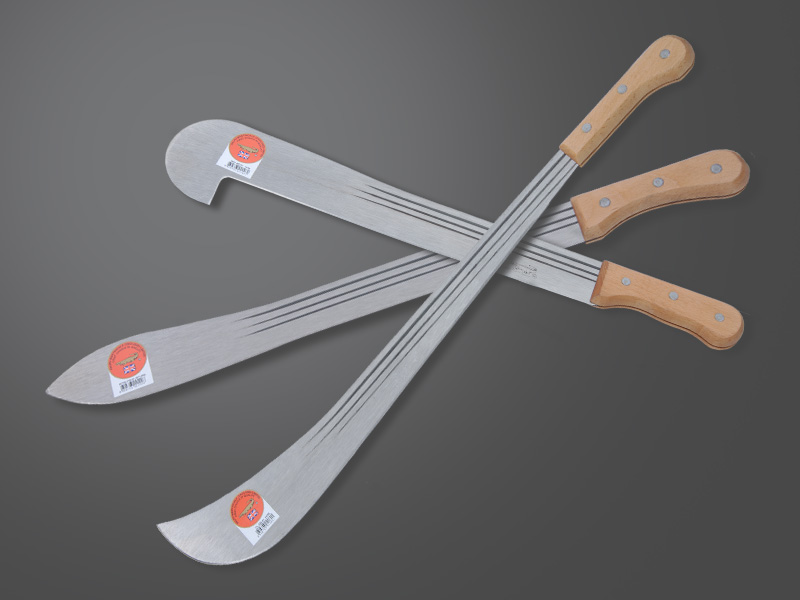
A cutlass is a long, single-edged blade designed for cutting, chopping, and clearing vegetation. It can be slightly curved or straight depending on the pattern and is built to handle both light and heavy tasks.
It is commonly used for:
- Clearing thick vegetation and bush
- Cutting crops like sugarcane
- Trimming branches and plants
- Preparing land for cultivation
- General outdoor and rural work
Most cutlasses are made from high-carbon steel, allowing them to retain sharpness while withstanding repeated impact. Proper heat treatment and blade thickness play a key role in durability and performance.
Why the Cutlass Remains Essential in the Caribbean
The Caribbean environment naturally demands tools that can handle dense vegetation and frequent use. The cutlass fits perfectly into this setting.
Here’s why it continues to dominate:
- Versatility
It handles multiple tasks without needing different tools. - Durability
Built to withstand repeated impact and tough conditions. - Ease of Use
Simple design makes it accessible for both experienced and new users. - Efficiency
Cuts through vegetation quickly with controlled effort. - Cultural Relevance
Over time, it has become a trusted and essential tool across Caribbean communities.
Popular Cutlass Patterns and Their Uses
Different blade patterns are designed for different types of work. Choosing the right one can significantly impact efficiency in the field.
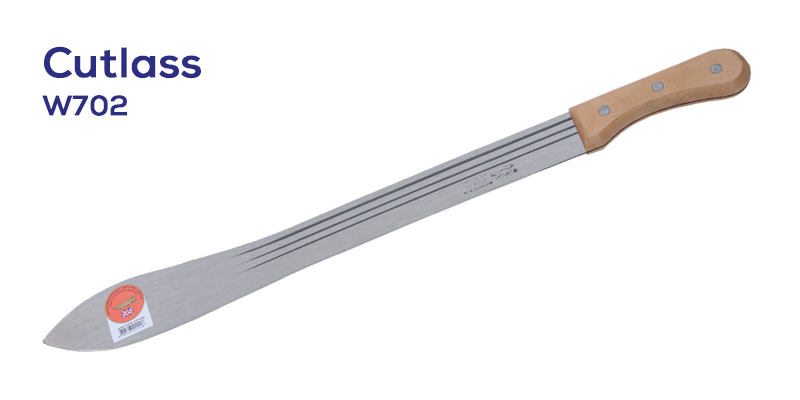
Pattern W702
A straight, pointed blade pattern designed for speed and control in general-purpose cutting. Its narrow profile allows quick, efficient swings, making it ideal for clearing light vegetation, grass, and routine field maintenance.
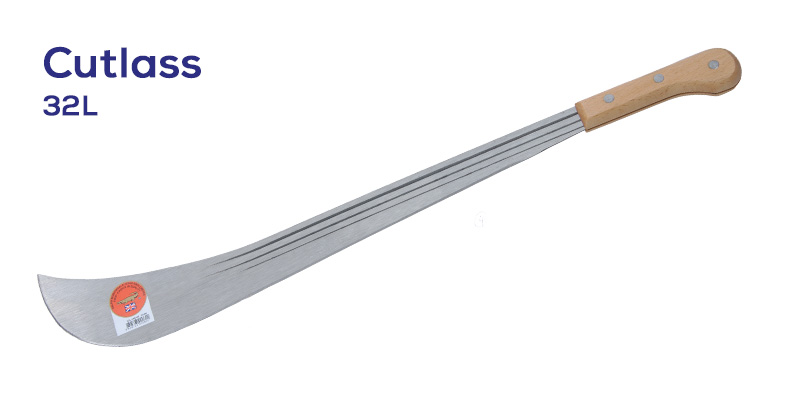
Pattern 32L
A deeply curved blade pattern optimized for slicing action. The pronounced curve improves cutting efficiency with each swing, making it particularly effective for clearing dense grass, vines, and medium bush.
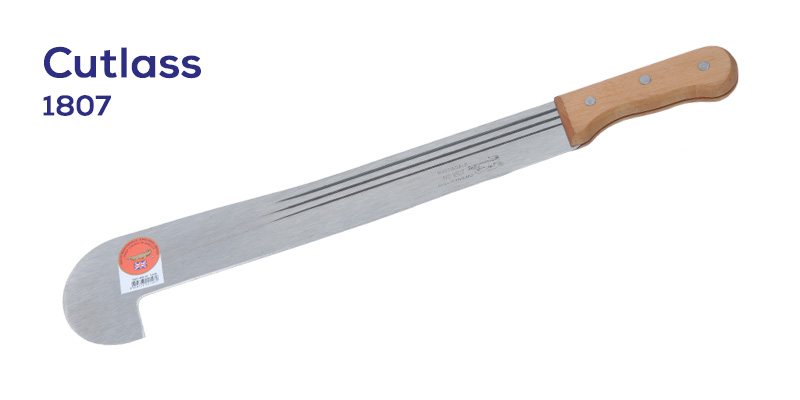
Pattern 1807
A heavy-duty, forward-weighted blade pattern built for powerful cutting. The broader tip and added weight toward the front enhance impact, making it suitable for tougher vegetation and crops.
Cutlass vs Machete: Are They the Same?
This is one of the most common questions.
At a basic level, cutlass and machete refer to the same type of tool. Both are long, single-edged blades used for cutting vegetation and agricultural work. The difference mainly comes down to regional usage and terminology.
Similarities
- Both are used for agricultural and outdoor tasks
- Both have long, single-edged blades
- Both are designed for durability and repeated use
- Both are used for cutting vegetation and crops
Key Differences
- Regional Naming
In the Caribbean, the term cutlass is commonly used.
In Latin America and other regions, machete is the more common term. - Blade Variations
Different regions may prefer slightly different blade shapes and sizes, even though the core function remains the same. - Cultural Context
The cutlass holds a strong cultural connection in the Caribbean, where it is closely tied to farming and daily life.
How the Cutlass Is Used in Daily Work
Effective use of a cutlass depends on grip, swing angle, and rhythm. Users typically apply controlled, repetitive strokes, adjusting the blade angle based on the type of vegetation or crop.
Its design allows a balance of power and precision, making it suitable for both heavy clearing and more controlled cutting tasks.
Why It Remains Relevant Today
Even with modern tools available, the cutlass continues to be widely relied upon because:
- It does not require fuel or electricity
- It is easy to maintain
- It is cost-effective
- It works efficiently in remote areas
- It delivers consistent performance
Choosing the right pattern and blade quality can significantly impact productivity, which is why professionals rely on tools with proven performance in field conditions.
Final Word
The cutlass continues to be a core tool across the Caribbean because it delivers what matters most reliability, simplicity, and effectiveness. It has stood the test of generations without losing its core purpose.
Whether referred to as a cutlass or a machete, it remains one of the most trusted tools for agriculture and land work. And in environments where tools are used every day, that level of trust is what keeps it relevant.