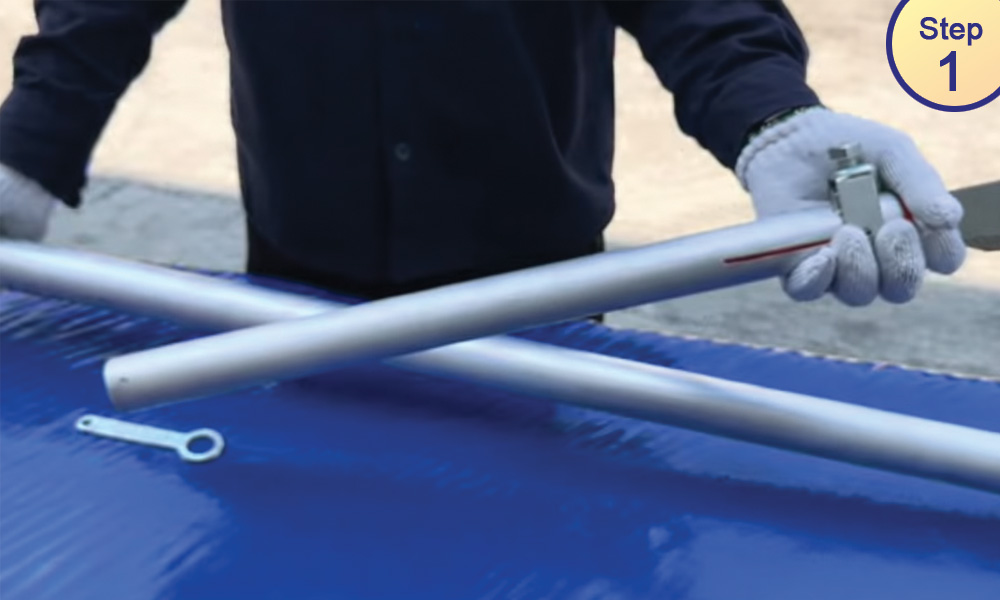
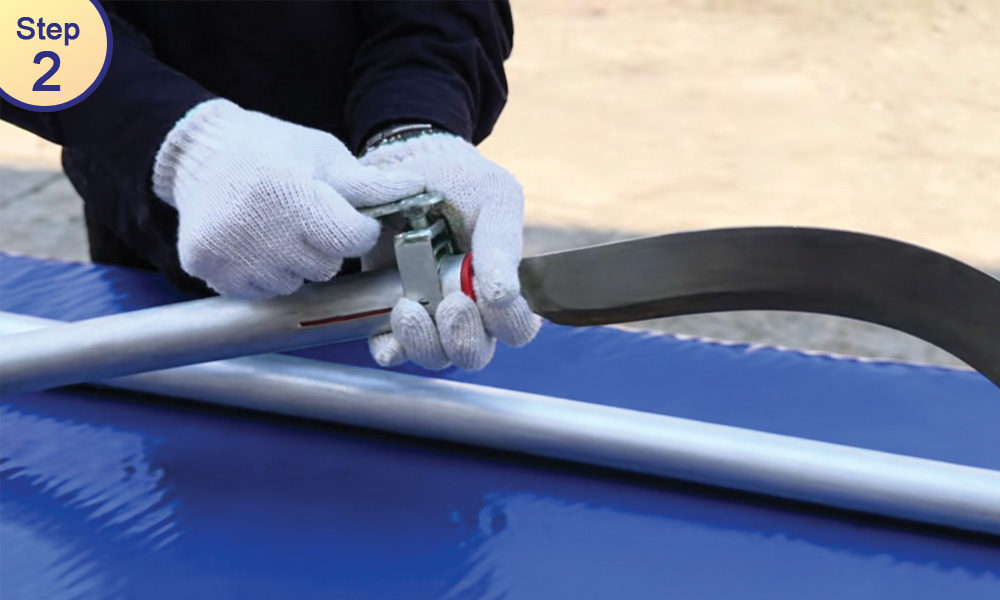
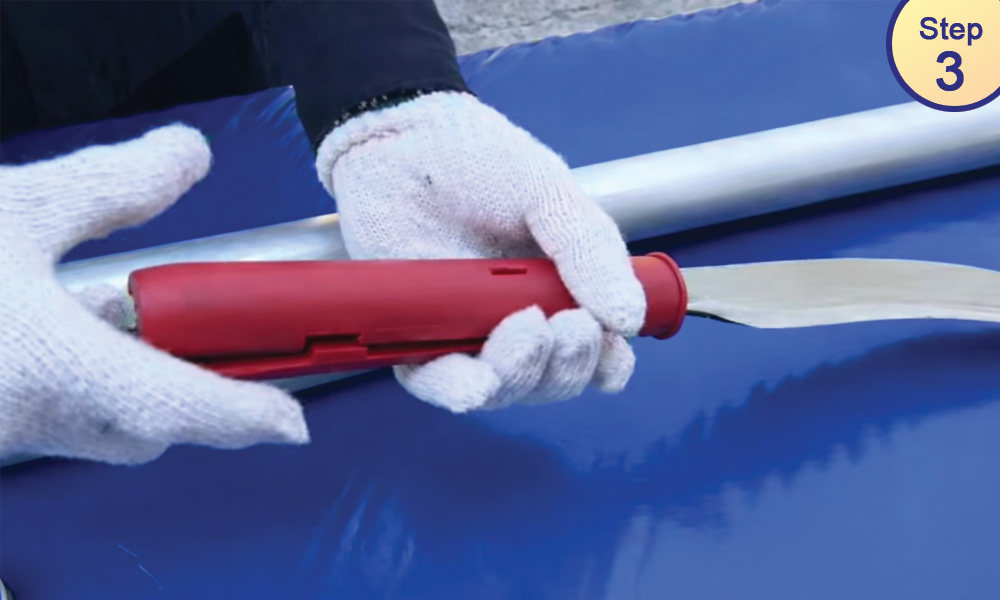

When it comes to oil palm harvesting, the tool is not just a blade. It’s a complete system. And if you’ve seen how it’s actually used in the field, you’ll know this immediately — every part has a role, and everything needs to be assembled correctly for the tool to perform.
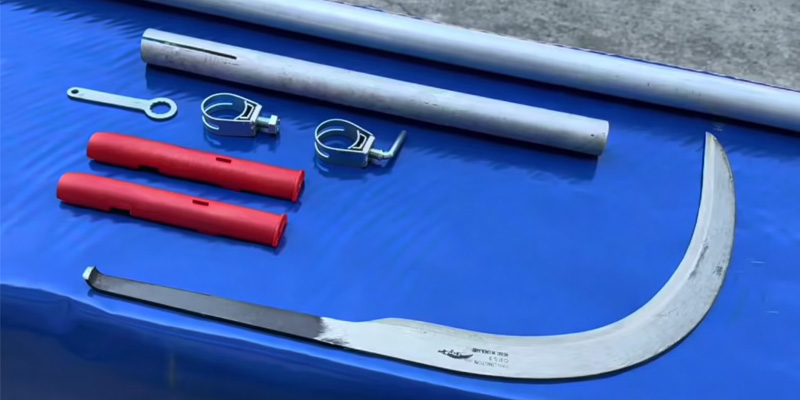
The setup includes four key components: aluminum poles, pole clamps, sickle holders, and the oil palm sickle. Each part connects to the other, forming a long-reach cutting system designed specifically for harvesting at height. Once assembled properly, it allows workers to cut efficiently, safely, and with far less effort.
To understand how the full system works in real conditions, watch this:
The oil palm harvesting tool is built as an extended cutting system. Instead of holding a blade directly in your hand, the blade is mounted at the end of a long pole.
Here’s how the structure is built:
Each part is essential. Remove one, and the system won’t function properly.
The base of the system starts with the aluminum poles. These poles are designed to be lightweight yet strong, making them easy to handle even at extended lengths.
If multiple sections are used, they are joined together to reach the required height of the tree.
Once the poles are aligned, pole clamps are used to lock them into place.
This step is critical because:
At the top end of the pole, the sickle holder is fixed.
This component:
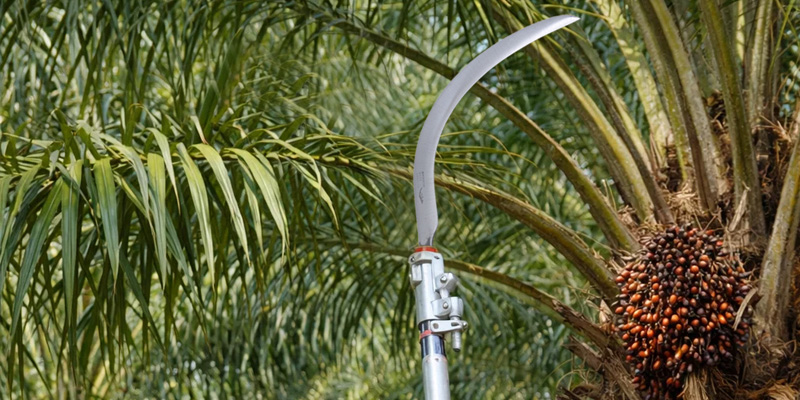
Finally, the oil palm sickle is mounted onto the holder.
The sickle is positioned so it can:
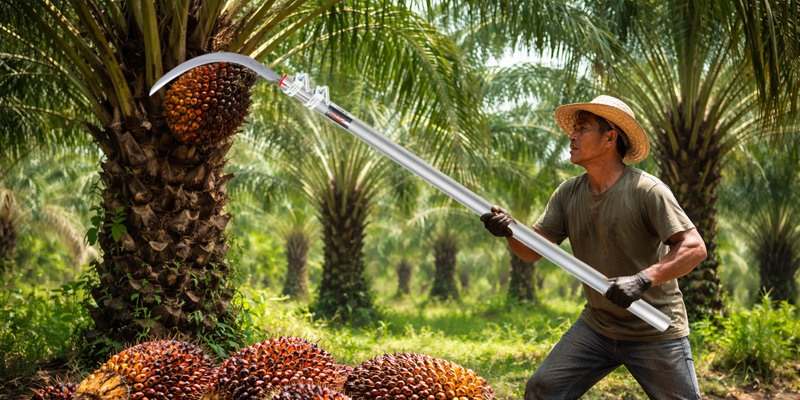
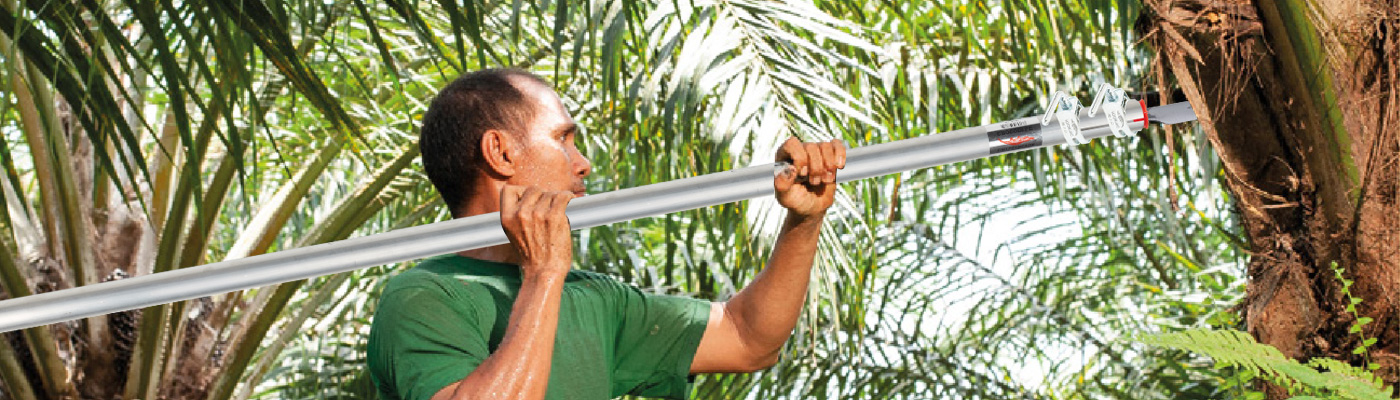
With the system assembled, the user operates it from the ground.
The process includes:
This setup eliminates the need for climbing, improving safety and speed.
Most people focus only on the blade. But performance depends on the full system:
If one part is weak, the whole system suffers.
This system is widely used in:
It is built to increase output while reducing physical strain.
Oil palm harvesting tools work best when they function as a complete system. Proper assembly, strong components, and correct usage make all the difference.
When aluminum poles, pole clamps, and sickle holders are combined with a high-quality oil palm sickle, the result is a tool that delivers consistent performance in real field conditions.